FOAD GHAHREMANI

FILM COMPOSER, SETAR PLAYER

UPDATES:

5th IZMIR
INTERNATIONAL
FILM & MUSIC
FESTIVAL

Holding a workshop on music of documentary  at the 5th  Izmir International Film & Music Festival

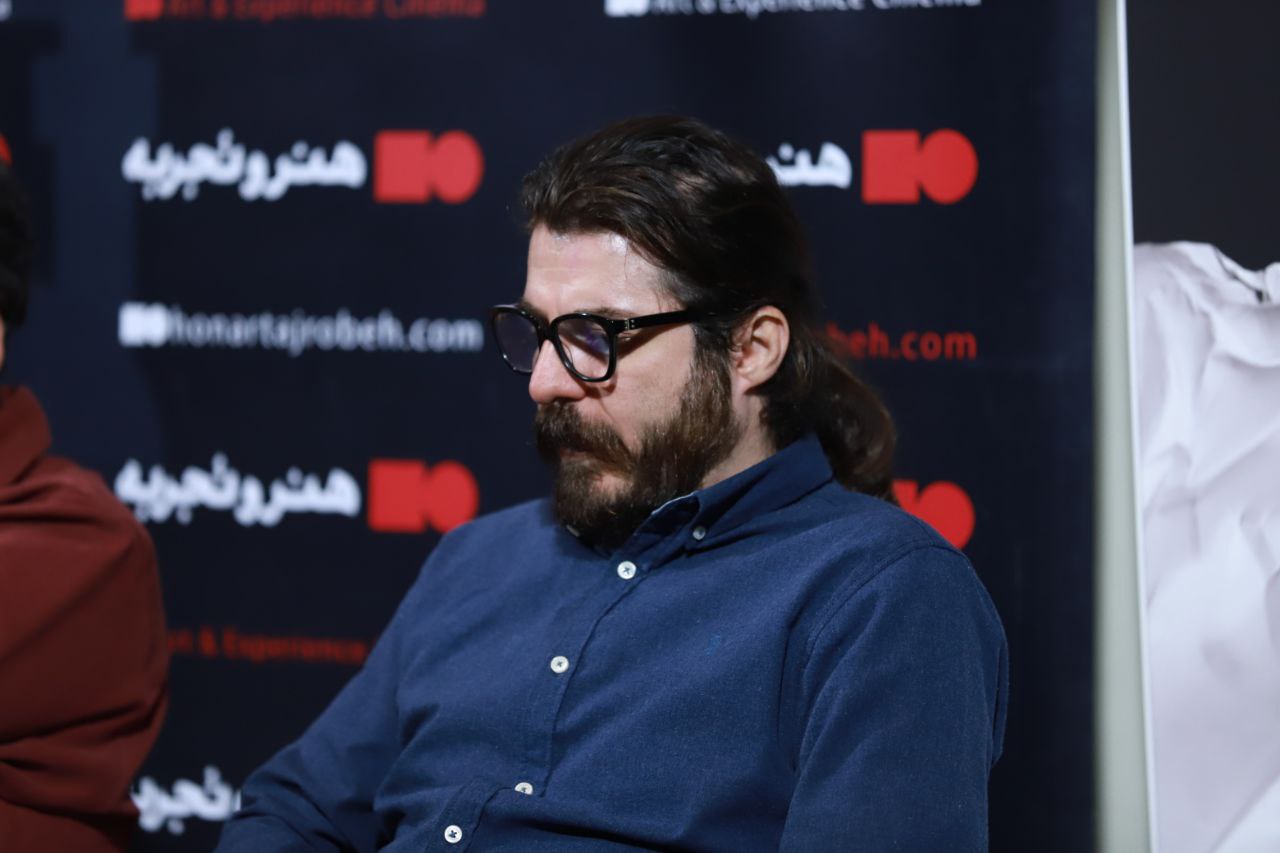
The workshop features Bahriye Kabadayı, President of the Turkish Documentary Filmmakers, composers Doruk Çebi and Foad Ghahremani, with filmmaker and producer Tahsin İşbilen as the moderator. This workshop aims to explore the role of music in shaping the narrative of documentary productions and its impact on the audience.

Film Review: The Wastetown (2022) by Ahmad Bahrami


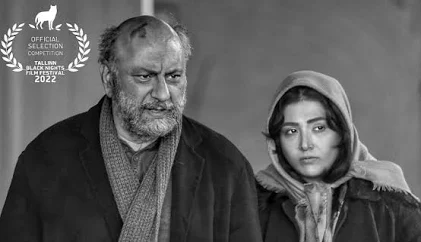
“The Wastetown” is the second film of Bahrami’s trilogy about three individuals who are trying to find a way out of their perpetual suffering. The first part – “The Wasteland“, a multiple award winning drama that celebrated its world premiere in the Orizzonti Competition in Venice 2020, continues to influence the rest of trilogy not only by lending its adjective to the titles of the other two films, but also through its visual standards. The photography is again black and white, handled by Masoud Amini Tirani whose camera is unobtrusively moving with the subjects. Contrasts and shadows are used to enhance the feeling of emergency, aided by the descreet, meek score composed by Foad Ghahremani. The sound of accordeon is muffled and beautifully melancholic, and it plays its own role in the film without manipulating sentimens. It’s a rare example of a complete harmony between the score and the movie plot.


Little Adam Example

Foad Ghahremani – Composer

Born in Kermanshah in 1983, composer Foad Ghahremai graduated from Tehran University in Ethnomusicology has a strong root in Iranian traditional music. He wrote film scores for many Iranian films, as well as The Wasteland by Ahmad Bahrami, who won Orizzonti Award for Best Film in 2020 and Anticlockwise by Jalal Vafaee, who won IDFA best mid-length documentary 2019.

Film Review: Cold Sigh (2023) by Nahid Sedigh


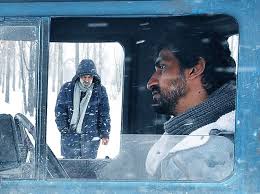
 The director lays the ground for the two actors to engage in a micro-acting competition of playing the strong and silent types where Iman Sedigh is a worthy adversary to the masterful Ali Bagheri, while the rest of the actors play the bit roles follow their cues. Nahid Sedigh also controls the visual aspect of the film, mixing the flavours of the authentic Iranian cinema (shots inside the car while driving, barren landscapes) with those from the western and northern influences, and the execution of his wishes by the cinematographer Masoud Amini Tirani and the editor Pooyan Sholevar is spot-on. The audio components also work well in the synergy of Hassan Mahdavi’s discreet sound design and the short, well-timed passages of orchestration in Foad Ghahremani’s score.

The Wasteland

Original title: Dashte khamoush
 

Lotfollah is a brick factory supervisor, acting as go-between for the workers and the boss. The boss wants to talk to the them about the shutdown of the factory. All matters now to Lotfollah is to keep Sarvar, the woman he loves, unharmed.